
Best Paper Types for Leaflets and Brochures
First published: 23 December 2020 | Updated: 30 September 2026
The best paper for a leaflet or brochure depends on how it’ll be used: uncoated paper for anything that needs writing on, gloss for bold, colourful visuals, silk for an elegant middle ground, and matte for a modern, understated feel. Beyond paper, your fold style and size matter just as much as the finish. Here’s how to choose the right combination for your marketing material.
Quick comparison:
| Finish | Typical weight | Feel | Best for | Finish |
|---|---|---|---|---|
| Uncoated | 130-170gsm | Natural, writable | Leaflets used in meetings, forms, and note-taking | Uncoated |
| Gloss | 150-170gsm | Shiny, vibrant colours | Photo-heavy leaflets, striking visuals | Gloss |
| Silk | 150-170gsm | Smooth, low-glare | Elegant, upmarket brochures | Silk |
| Matte | 150-170gsm | Velvety, understated | Modern, minimalist branding | Matte |
| Recycled | 130-350gsm | Natural, uncoated texture | Eco-conscious brands | Recycled |
Leaflet, Flyer, or Brochure? What’s the Difference?
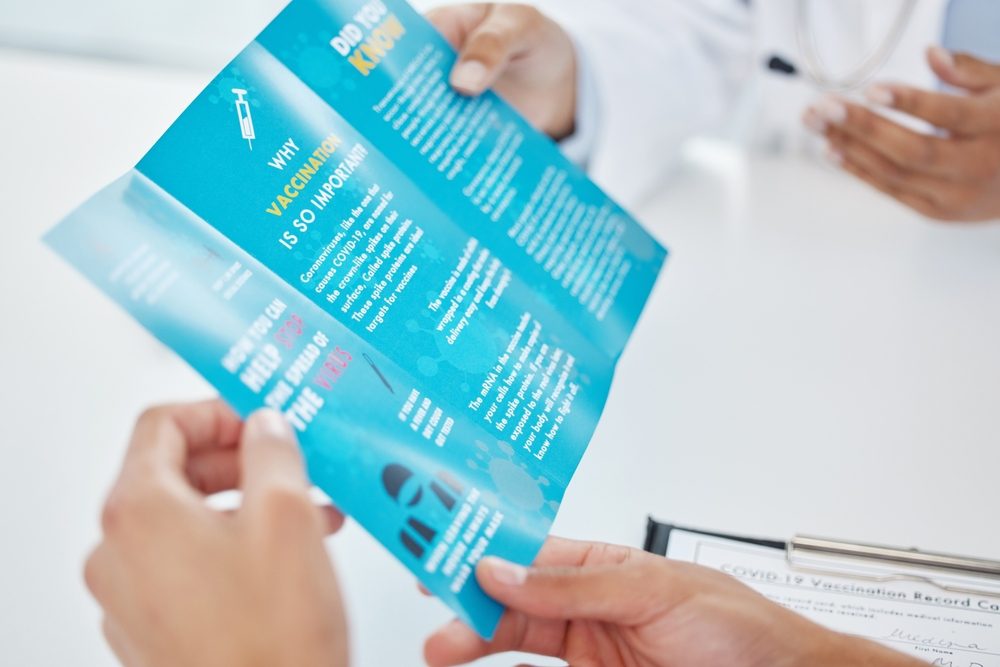
These terms often get used interchangeably, but they’re not quite the same thing:
- A flyer is typically a single flat sheet, no folding, used for a short, punchy message.
- A leaflet usually refers to a folded piece (single-fold, tri-fold, or more elaborate), giving you more panels and space to organise information without increasing the overall paper size.
- A brochure generally implies something more substantial, often multi-page or with a more premium finish, used to give a fuller picture of a business or product.
None of these labels is strictly regulated, and in practice, the terms overlap a lot, but knowing roughly where your project sits helps you choose the right paper, fold, and finish for the job.
Why Paper Type Matters
Most people encounter a leaflet or brochure that engages more than one sense. They’ll read the copy, but they’ll also register the weight, texture, and finish of the paper, often without consciously noticing they’re doing it. A leaflet printed on thin, flimsy paper can undercut an otherwise strong message, while a well-chosen paper stock gives your material (and by extension, your business) a sense of quality and credibility before a single word is read.
Weight and Finish: The Two Things That Matter
Weight, measured in grams per square metre (gsm), is the biggest factor in how substantial a leaflet feels. Heavier paper feels more premium and durable, but it also costs more and can feel unwieldy in large stacks or high-volume distribution (a door-drop leaflet, for example, usually favours a lighter, more cost-effective weight than a brochure a client keeps).
Finish is the coating (or lack of one) applied to the paper surface, and it changes both the look and the practical feel considerably, see the comparison table above.
Uncoated Paper
If your leaflet or brochure needs to be written on, during a meeting, as an order form, or for notes, uncoated paper is the practical choice. It should still be considerably heavier than standard printer paper (80gsm), ideally between 130 and 170gsm, so it doesn’t feel flimsy despite the lack of coating.
Glossy Paper
Gloss coating adds shine and makes colours look more vibrant, a strong choice for anything relying on striking visuals or photography. It’s typically used at a similar weight to the other finishes below (150-170gsm is common), the shine, not extra thickness, is what gives it a more substantial feel.
Silk Paper
Silk offers the smooth, professional feel of gloss without the shine commonly seen in magazines and used for upmarket brochures. It gives a more elegant, understated impression than gloss, without sacrificing that premium, coated feel.
Matte Paper
Matte coating gives a velvety, non-reflective finish, well-suited to modern, minimalist branding that doesn’t want the shine of gloss or silk. Depending on the specific stock, matte paper can also be written on, useful if your leaflet doubles as something a client might take notes on during a meeting.
Fold Styles and Sizes
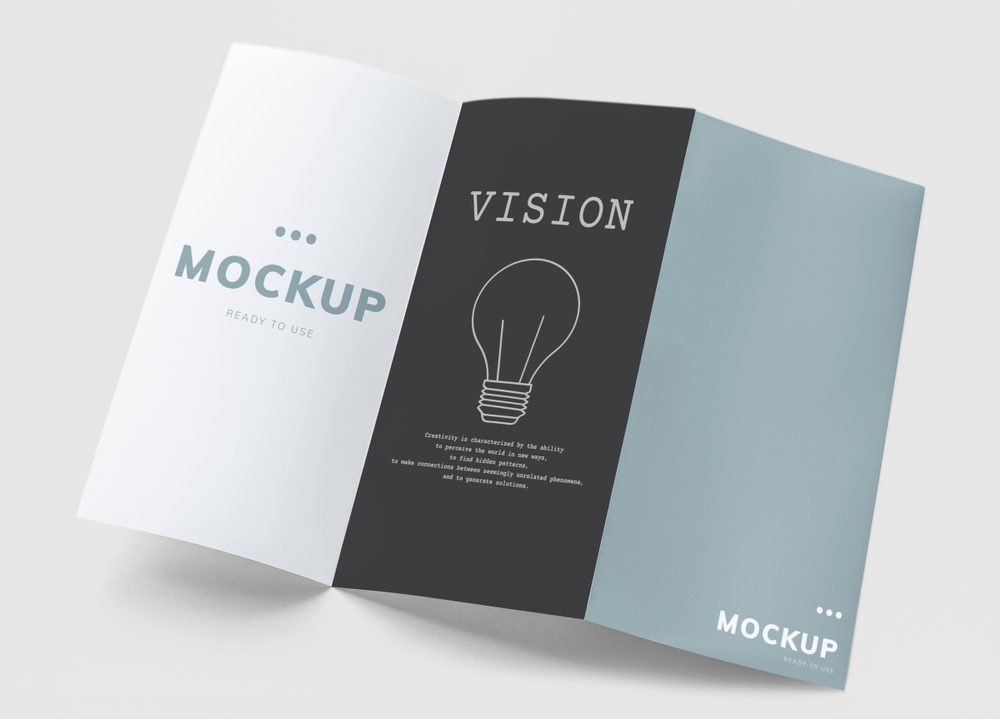
Once you’ve settled on a weight and finish, the fold style shapes how your leaflet is actually used and read:
- Single-fold (half-fold): one fold, creating four panels, often used for small brochures or event programmes.
- Tri-fold: two folds, three panels, a versatile default for general marketing leaflets.
- Z-fold (concertina): folds in alternating directions, popular for takeaway menus and price lists where each panel needs to stand alone.
- Gate fold: both sides fold inward to meet in the centre, a more elaborate option that creates a reveal effect when opened.
Size matters too: A7 suits high-volume, low-detail flyers (club nights, on-the-day promotions), DL fits neatly into a standard envelope without folding (useful for mailers), and A5 or A4 (folded down) give you more room for structured information like menus, price lists, or service breakdowns.
A Practical Note on VAT
Here’s something most guides to leaflet paper don’t mention: whether your leaflet or brochure is zero-rated or standard-rated for UK VAT depends on how it’s used, not just what it says. Under HMRC’s rules, a leaflet is generally zero-rated if it’s genuinely informational and intended to be read and discarded. It typically becomes standard-rated (20%) if it’s designed to be written on, used to gain entry to an event, or used to obtain a discount (a “10% off with this leaflet” style offer, for example). There’s also a general rule that if more than 25% of the leaflet’s area is set aside for writing on or detaching, it loses zero-rated status entirely. This isn’t tax advice; VAT rules have genuine edge cases, so if it matters for your order, it’s worth checking HMRC’s VAT Notice 701/10 or asking your accountant.
Choosing Paper by Use Case
The “best” paper also depends heavily on what the leaflet is actually for:
- Restaurant menus and price lists: a slightly heavier, durable stock (170 gsm or above) that can withstand repeated handling, paired with a Z-fold if you’re organising multiple sections.
- Real estate and property brochures: gloss or silk at a higher weight (250gsm+) for premium property photography, this is a purchase decision where perceived quality genuinely matters.
- Door-drop and mass-distribution flyers: a lighter, more cost-effective weight (120-150gsm), since volume matters more than individual substance for this kind of campaign.
- Professional services (legal, financial, consultancy): silk or matte at 170gsm+, understated and credible rather than flashy.
- Event programmes and tri-folds: a mid-weight uncoated or matte stock (150-170gsm) that folds cleanly and can be written on if needed.
How the Distribution Method Affects Your Paper Choice
Where and how a leaflet will actually reach people is worth factoring in before you settle on a weight:
- Posted or mailed leaflets need to consider Royal Mail’s size and weight bands; a heavier, larger leaflet can tip into a pricier postage category. If you’re mailing rather than hand-distributing, it’s worth checking current Royal Mail rules before finalising your paper weight and size.
- Hand-to-hand distribution (street handouts, event giveaways) generally favours a lighter, more cost-effective stock, since volume and speed of production matter more than individual substance.
- Takeaway stands and in-store displays need a stock heavy enough to stand upright or hold its shape in a dispenser, usually 170gsm or above; a flimsier leaflet will curl or slump in a display stand.
Related: The Most Important Things to Know to Design a Winning Flyer
Double-Sided Printing and Paper Opacity

If you’re printing on both sides of your leaflet, paper opacity (how much light passes through it) matters more than it might seem. Thinner, lighter-weight uncoated stock can make one-sided printing faintly visible through the other side, sometimes called “show-through,” which can look unintentional and slightly unprofessional. Coated finishes (gloss, silk, matte) generally have better opacity at the same weight than uncoated stock, so if double-sided printing and a lower weight are both priorities, a coated finish is usually the safer choice.
Sustainable Paper: Recycled and FSC-Certified Options
If sustainability matters to your brand, there are two related but distinct things worth knowing:
- Recycled paper is made partly or wholly from reclaimed material rather than new wood pulp, reducing waste and the demand for virgin materials. It typically has a slightly more natural, uncoated texture than a silk or gloss finish.
- FSC certification (Forest Stewardship Council) is a separate mark confirming that any non-recycled paper content comes from responsibly managed forests and is tracked through the entire supply chain. Banana Print prints across its full range on FSC-certified paper, so choosing recycled stock on top of that is an additional step, not a replacement for it.
Either option signals environmental awareness to increasingly eco-conscious customers, a genuine point of difference if your competitors haven’t made the switch.
Request a Physical Sample Before You Commit
Paper weight and finish are genuinely hard to judge accurately on a screen; gloss, silk, and matte all look reasonably similar in a product photo, but feel very different in the hand. If you’re ordering a large print run or you’re unsure between two finishes, requesting a small sample or a proof of your artwork before committing to the full order is a small step that helps avoid a potentially costly mismatch between what you expected and what arrives.
Common Mistakes to Avoid
- Choosing a finish before deciding how the leaflet will be used. A gloss leaflet that needs to double as a note-taking form, for instance, is the wrong pairing from the start.
- Going too light on weight to save cost. A leaflet that feels flimsy undercuts the professional impression you’re trying to create, even if the design itself is strong.
- Overlooking fold style entirely. The right fold can organise your content far more effectively than cramming everything onto a flat sheet.
- Assuming VAT doesn’t apply. If your leaflet includes a discount, entry offer, or a section to fill in and return, double-check the VAT position before finalising pricing.
FAQs
What’s the best paper weight for a leaflet or brochure?
Between 130 and 170gsm covers most use cases well, heavy enough to feel substantial without becoming unwieldy or expensive for large print runs. Go heavier (up to 350gsm) for a more premium brochure that a client is likely to keep.
Is silk or gloss paper better for a brochure?
Neither is objectively better; gloss makes colours and photography pop with a shiny finish, while silk gives a smoother, more understated premium feel without the shine. Choose based on the impression you want to create.
What fold style should I use for a takeaway menu?
A Z-fold (concertina fold) is a popular choice for menus and price lists, since each panel can stand alone as the leaflet unfolds, making it useful for clearly organising multiple sections of information.
Do I have to pay VAT on my leaflets?
It depends on how the leaflet is used. Genuinely informational leaflets are typically zero-rated, but a leaflet designed to be written on, used for entry to an event, or used to claim a discount is usually standard-rated at 20%. Check HMRC’s VAT Notice 701/10 or ask your accountant if you’re unsure.
What’s the difference between a flyer and a leaflet?
A flyer is typically a single, flat, unfolded sheet, while a leaflet usually refers to a folded piece with multiple panels. The terms are often used loosely, but this is the general distinction.
Can I write on a matte-finish leaflet?
Yes, depending on the specific stock, matte paper generally takes pen and pencil more readily than a glossy finish, making it a reasonable choice if you want both a premium look and a writable surface.
What’s the difference between recycled paper and FSC-certified paper?
Recycled paper is made partly or wholly from reclaimed material, while FSC certification confirms that non-recycled paper content comes from responsibly managed forests. They’re related but distinct; a printer can use FSC-certified paper across its whole range while still offering a separate recycled option on top.
Does a heavier leaflet cost more to post?
It can. If you’re mailing rather than hand-distributing, a heavier or larger leaflet may tip into a pricier Royal Mail postage band. So it’s worth checking the current size and weight rules before finalising your paper choice if postage is part of your distribution plan.
Can I print on both sides of a leaflet without the text showing through?
Coated finishes like gloss, silk, or matte generally have better opacity than uncoated stock at the same weight, reducing show-through. If double-sided printing and a lighter weight are both priorities, a coated finish is the safer choice.
Should I request a paper sample before ordering a large print run?
Yes, if you’re unsure between finishes or ordering in bulk. Paper weight and finish are genuinely difficult to judge accurately from a screen, and a small sample avoids a costly mismatch between what you expected and what arrives.
What paper is best for a leaflet displayed in a tourist centre or retail stand?
Something heavier, generally 170gsm or above, that can hold its shape upright in a dispenser. A lighter stock designed for hand-to-hand distribution will often curl or slump in a display stand.
Bringing It All Together
Choosing the right paper for a leaflet or brochure isn’t really about finding one universally “best” option; it’s about matching weight, finish, fold, and even distribution method to how the piece will actually be used. A restaurant menu, a property brochure, and a door-drop flyer all have genuinely different requirements, and getting that match right does more for how professional your material feels than almost any other single decision. When in doubt, request a sample, hold it in your hand, and let that guide the final call rather than a screen.
Whichever weight and finish suits your project, we print leaflets and flyers on 120gsm, 170gsm, or 350gsm silk paper (plus a recycled option), and folded leaflets from £24.95, in single, tri-fold, or gate-fold styles. Browse our templates or upload your own design to get started.